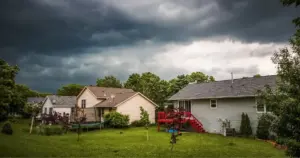
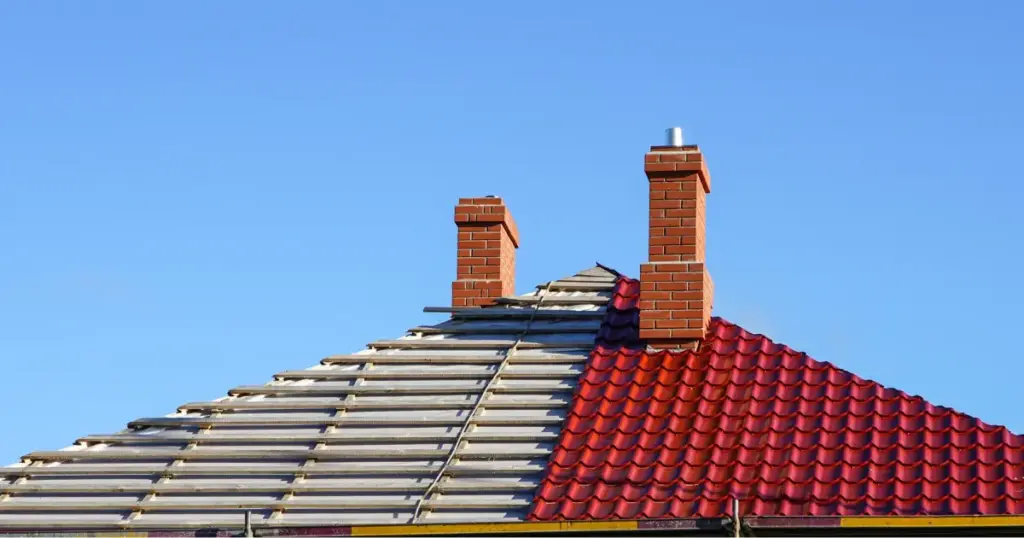
After a storm, one of the biggest questions is whether your roof can be repaired or needs to be replaced. The answer depends on several factors, and the right decision can save you money and prevent repeated problems. Here is how to think it through.
Start With a Professional Inspection
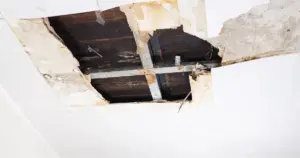
Visible damage is only part of the picture. Water can soak insulation and decking without obvious signs from the ground. A professional roof inspection gives you a clear view of how far the damage goes and is the best starting point for any decision.
When Repair Usually Makes Sense
- The damage is limited to a small or specific area
- The roof is relatively young and in good overall condition
- The decking and structure underneath are sound
- Matching materials are available
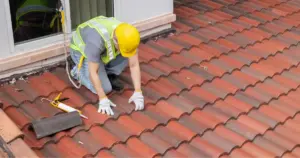
- The problem has a clear, fixable cause, such as a few broken tiles or damaged flashing
When Replacement May Be the Better Choice
- Damage is widespread across the roof
- The roof is near the end of its expected life
- Leaks keep returning after repairs
- Decking is rotted or soaked, or there are signs of structural damage
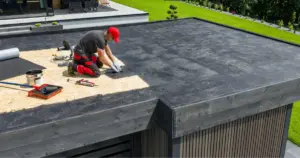
- Large areas of tiles, shingles, or membrane are worn, cracked, or loose
- The cost of repeated repairs is approaching the cost of a new roof
Key Factors to Compare
1. Age of the roof. Older roofs have less life left, so putting money into repairs may not make sense.
2. Extent of the damage. Isolated damage points toward repair. Damage across the whole roof points toward replacement.
3. Condition underneath. The underlayment, decking, and structure matter as much as the visible surface.
4. Repair history. A roof that has needed several repairs in a short time is often telling you something.
5. Cost over time. Compare the immediate price with how long each option is likely to last.
6. Insurance coverage. What your policy covers can affect your choices. Review it and report damage promptly. See how to document roof damage for an insurance claim.
Do Not Skip Temporary Protection
Whatever you decide, protect the roof while you decide. A temporary seal or tarp keeps water out while you get quotes and wait for insurance. Read more in emergency tarp vs. permanent repair.
Questions to Ask Your Roofer
- What exactly is damaged, and can you show me?
- Is repair a lasting solution here, or will we revisit this soon?
- What does each option include, and what does it not include?
- Are permits required, and who handles them?
- What warranty comes with the work?
A trustworthy roofer will explain both options honestly, even if one is smaller.
Watch for Pressure Tactics
After big storms, some contractors push for a full replacement or ask for a large payment upfront. Ask for everything in writing, verify the license and insurance, and take the time to understand the quote. Our guide on emergency roof repair costs in Miami explains what affects pricing and the red flags to watch for.
FAQ
Is repair always cheaper than replacement? Usually in the short term, yes. But if the roof is old or damage keeps recurring, repeated repairs can add up.
Can I do a repair now and replace later? Often yes. A repair can protect the roof for now while you plan a larger project, depending on the condition.
Not Sure Which One You Need?
Call 954-549-4004 and our Miami team will inspect the damage and explain your options clearly.