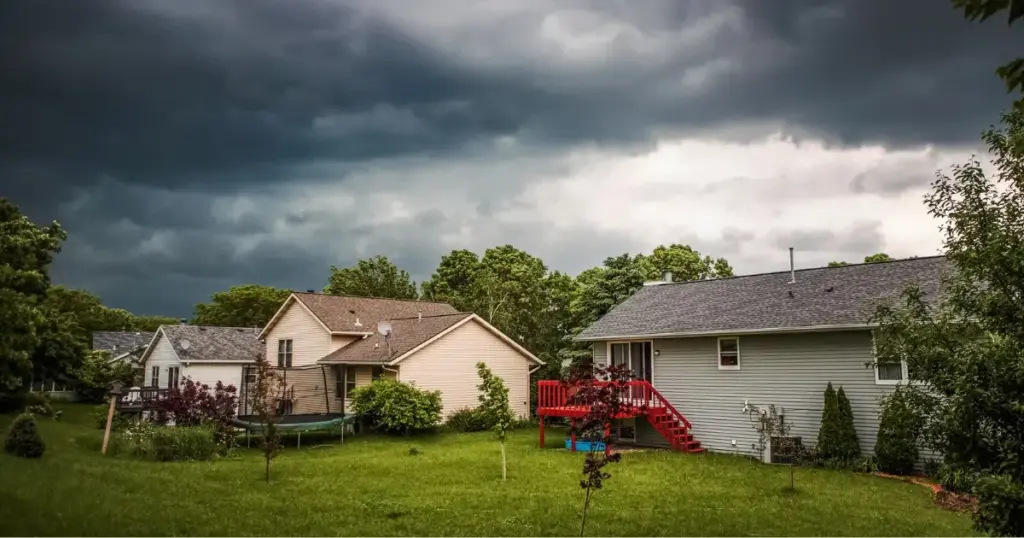
Hurricane season in Florida runs from June 1 to November 30, and the best time to check your roof is before a storm is on the way. Once a hurricane watch is issued, contractors get busy and materials get harder to find. Use this checklist to prepare early.
Why Prepare Your Roof First
The roof is your home’s main protection against wind and rain. A weak spot, such as a loose tile, lifted shingle, or worn flashing, can let wind and water in. Small problems found early are usually simpler and cheaper to fix than damage found after a storm.
Checklist: Before Hurricane Season
From the ground or inside (never on a wet or steep roof):
- Look for missing, cracked, curled, or slipped tiles and shingles
- Check ridge caps and edges for loose or damaged pieces
- Look for damaged or rusted flashing, vents, and chimney areas
- Check gutters and downspouts for blockages and damage
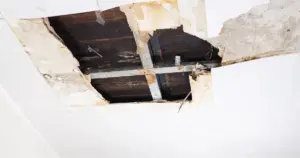
- Look in the attic for daylight, stains, or damp insulation
- Check ceilings for old water stains that may signal a hidden leak
Around the property:
- Trim branches that hang over or touch the roof
- Remove dead trees or large limbs that could fall
- Secure or store loose outdoor items that wind could throw
Professional steps:
- Schedule a roof inspection to find problems you cannot see
- Repair any known leaks or damaged areas
- Ask your insurance company about a wind mitigation inspection, which can document storm-resistant features and may affect your premium
Checklist: Paperwork and Documentation
- Review your homeowner’s policy, including your hurricane deductible
- Take dated photos or video of your roof and property before the season
- Keep a copy of your policy, contact numbers, and claim instructions in a safe place
- Save contact information for a reliable emergency roofer
Checklist: After a Storm
- Stay off the roof and away from downed power lines.
- Inspect from the ground and document everything. Our guide on how to document roof damage for an insurance claim explains how.
- Call for temporary roof sealing to stop further water damage.
- Contact your insurance company promptly.
- Schedule a professional inspection to check for hidden damage.
If you notice damage, our article on signs of hurricane roof damage shows what to look for.
A Note About Miami Building Requirements
Miami-Dade County has some of the strictest roofing requirements in the country because it is part of a high-velocity hurricane zone. Roofing work often needs permits and approved materials. A licensed, experienced roofer will know the local requirements and handle them for you.
FAQ
Can I wait until a hurricane is forecast to check my roof? It is risky. Once a storm is approaching, roofers are usually fully booked and materials can run short. Early preparation is safer.
Does an older roof need extra attention? Yes. Older roofs have more wear on tiles, shingles, flashing, and underlayment, so regular inspection matters even more.
Get Your Roof Ready
Call 954-549-4004 to schedule an inspection or to line up wind damage roof repair before the next storm.