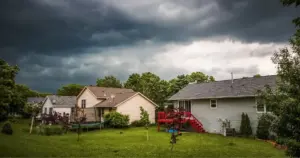
A well-documented claim is easier to process and easier to defend. If a storm has damaged your roof, the evidence you collect in the first days can make a real difference. This guide explains what to record and what to avoid.
Start With Safety
Do not climb onto a damaged roof to take photos. Use a phone from the ground, a window, or the attic. A drone inspection by a professional is another safe way to see the roof.
What to Photograph and Film
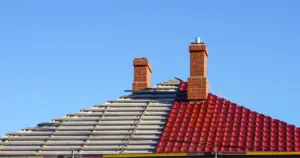
- Wide shots of the whole house and roof from several angles
- Close-ups of missing, cracked, or lifted tiles and shingles
- Damaged flashing, vents, gutters, and fascia
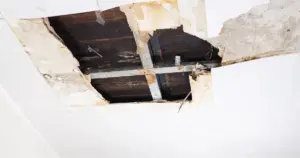
- Water stains on ceilings and walls
- Wet insulation or damaged wood in the attic
- Damaged belongings
Take both photos and short videos, and make sure the date is recorded on your device.
Keep a Written Log
Write down when the storm happened, when you noticed the damage, and what you did afterward. Add a list of damaged items with their approximate value. Details written soon after the event are more reliable than memory later.
Prevent Further Damage and Keep Receipts
Policies generally expect you to take reasonable steps to stop more damage, such as a tarp or temporary sealing. Keep every receipt and invoice for this work. Do not throw away damaged materials until the insurer has had a chance to inspect them, unless they are a safety hazard.
Report the Claim Promptly
Contact your insurance company as soon as possible. Florida has deadlines for reporting a loss, and they have changed in recent years, so read your policy and confirm the current rules with your insurer. Waiting can put your claim at risk.
Get a Professional Inspection
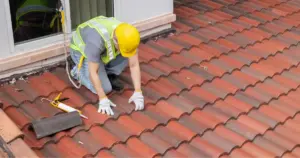
A roofing professional can identify damage that is hard to see, such as hidden water intrusion or lifted flashing, and can write a clear report. This does not replace the insurer’s adjuster, but it gives you a detailed record to compare with.
Be Careful With Contractors After a Storm
- Be wary of anyone who offers to waive or cover your insurance deductible. In Florida, this is not allowed.
- Do not sign anything you do not fully understand.
- Ask for proof of license and insurance, and check it.
- Avoid paying the full amount upfront.
Common Mistakes to Avoid
- Waiting too long to report the damage
- Making permanent repairs before documenting the damage
- Throwing away damaged materials too early
- Giving vague descriptions instead of specific details
FAQ
Should I repair my roof before the adjuster comes? Make temporary repairs to prevent more damage, document everything, and keep the receipts. Hold the permanent work until you have documented the damage and talked with your insurer.
Will you help me understand what to document? Yes. We can inspect the roof, take photos, and give you a clear description of the damage to share with your insurance company.
Need a Roof Inspection?
Call 954-549-4004 and our Miami team can inspect your roof and help you document the damage.