A roof leak in the middle of a Miami storm is stressful, but the first few minutes matter more than anything else. What you do before help arrives can limit water damage, keep your family safe, and protect your insurance claim. Here is a clear, step-by-step plan.
Step 1: Put Safety First
Never go onto a wet roof. Wind, rain, and lightning make it dangerous, and a fall causes far more harm than any leak. Stay inside and work from the inside only.
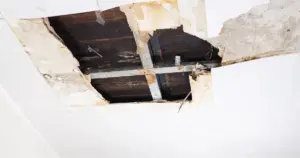
If water is dripping near light fixtures, ceiling fans, or outlets, turn off the power to that area at the breaker panel. Do not touch anything electrical while standing in water. Also keep away from any ceiling that is sagging or bulging, because water-soaked drywall can collapse without warning.
Step 2: Contain the Water
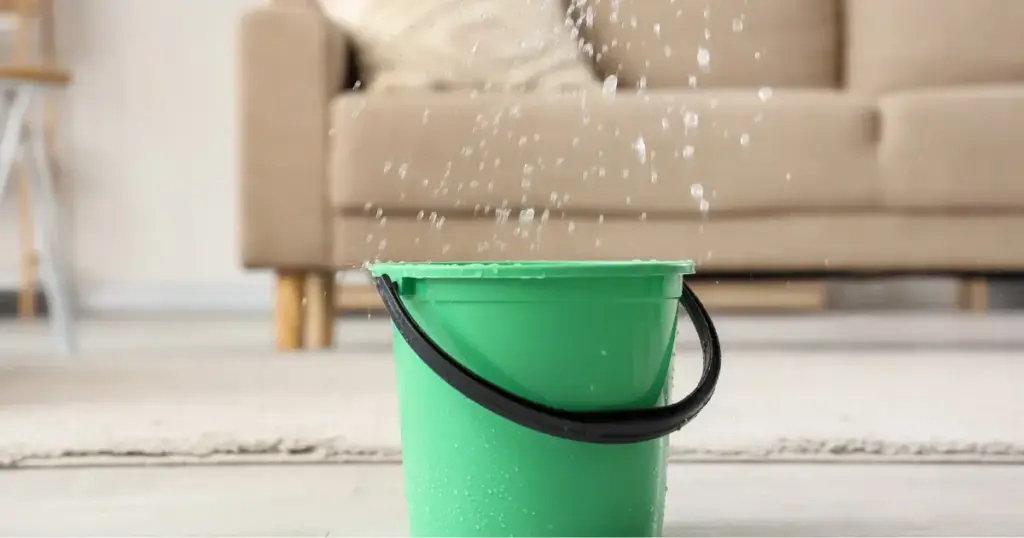
Place buckets or large containers under the drips and put a towel inside to reduce splashing. Move furniture, electronics, and rugs out of the area. If you have plastic sheeting, cover items that cannot be moved.
A ceiling that bulges with trapped water can be very heavy. Only if it is safe and well away from any wiring or fixtures, some homeowners relieve it by making a small hole at the lowest point and letting it drain into a bucket. If you are not sure, stay clear and call a professional.
Step 3: Document Everything
Take photos and videos of the leak, the water stains, and any damaged belongings. Write down the date and time the leak started and what the weather was doing. This record is valuable later when you talk to your insurance company. For more detail, see our guide on how to document roof damage for an insurance claim.
Step 4: Look for the Source (Carefully)
When the storm has passed and it is safe, check your attic with a flashlight. Look for wet insulation, dark stains on the wood, or daylight coming through the roof. Keep in mind that water travels along rafters and decking, so the stain on your ceiling is often not directly under the actual entry point.
Step 5: Call an Emergency Roofer for Temporary Protection
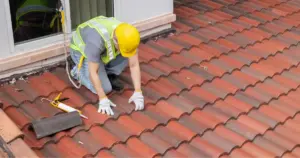
A professional can install a tarp or apply temporary sealing the same day to stop further water from getting in. This is not a permanent fix, but it protects your home until a full repair can be done. Do not wait for the next rain.
Step 6: Contact Your Insurance Company
Report the damage as soon as you can and ask what your policy requires. Most policies expect you to take reasonable steps to prevent further damage, so keep receipts for any temporary repairs.
Common Causes of Roof Leaks in Miami
- Cracked, slipped, or missing tiles and shingles
- Failed flashing around vents, chimneys, and skylights
- Clogged drains and standing water on flat roofs
- Worn or dried-out sealant
- Wind-driven rain pushing water under damaged areas
Why You Should Not Ignore a “Small” Leak
Even a slow drip can soak insulation and wood. Mold can begin to grow within 24 to 48 hours in damp conditions, and hidden moisture slowly weakens the roof structure. A small leak today can become a major repair bill after the next storm.
FAQ
Can I fix a roof leak myself? You can contain the water inside your home, but repairing the roof itself is best left to a professional. Working on a roof is risky, and a poor patch can make the damage worse.
How fast can an emergency roofer get there? Response time depends on the weather and demand, but emergency services in Miami are built for same-day response, including nights, weekends, and holidays.
Need Help Right Now?
If your roof is leaking, do not wait. Call us at 954-549-4004 for fast emergency roof repair in Miami, available 24/7.